
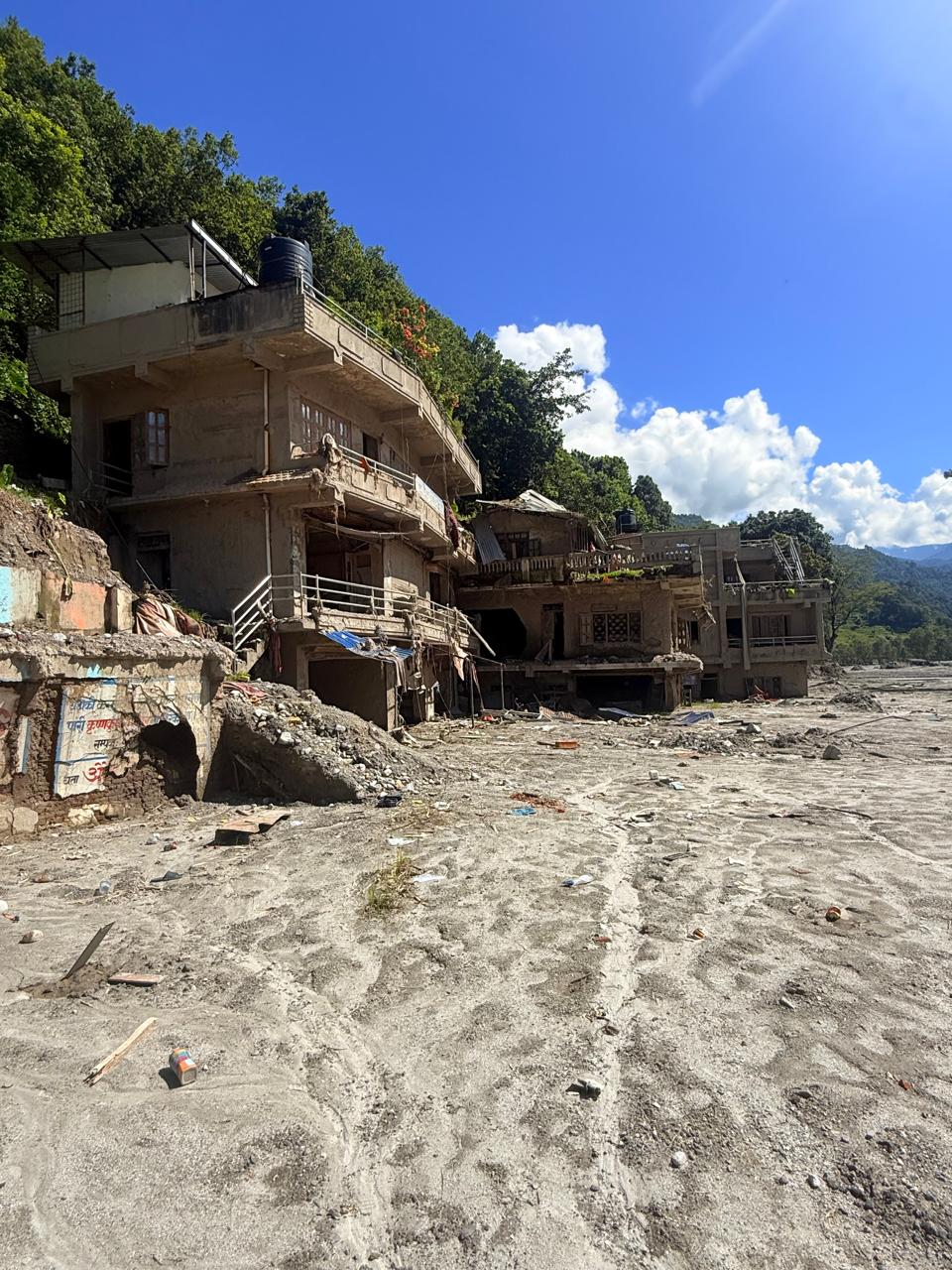
The National Disaster Risk Reduction and Management Authority published its Rapid Damage and Needs Assessment for the Rasuwa-Bhotekoshi flood this month, consolidating submissions from a dozen government bodies. It puts total disaster effects at USD 2.70 billion and total recovery and reconstruction needs at USD 4.77 billion, equivalent to NPR 72,331 crore.
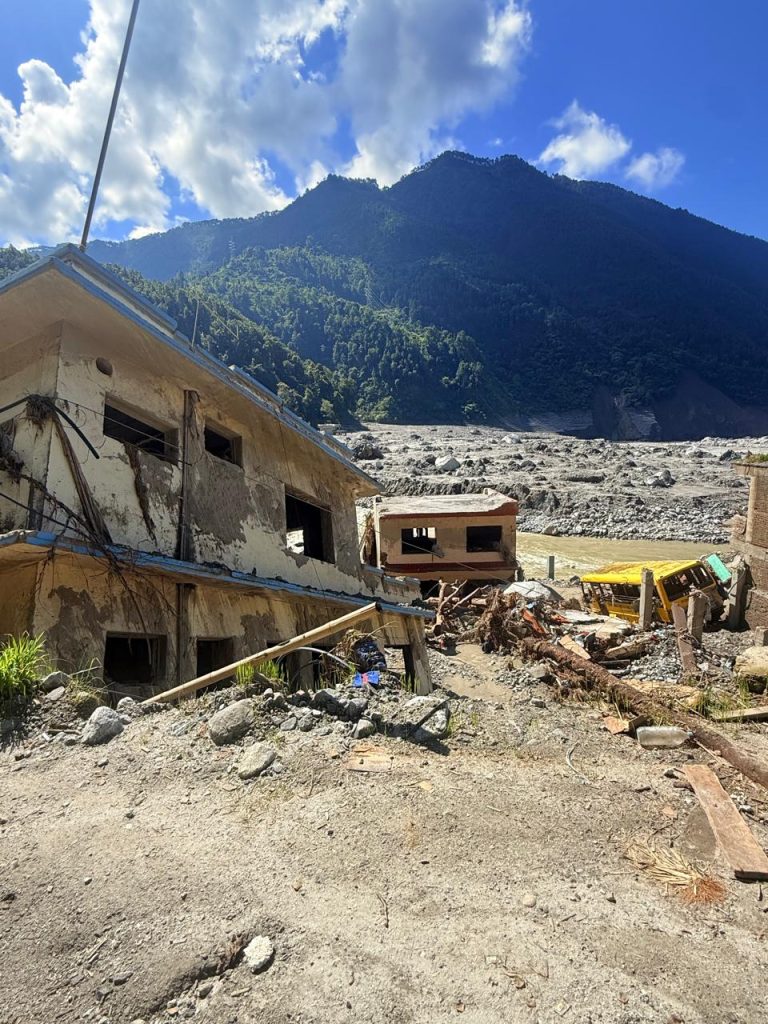
Two things deserve recognition. First, the assessment is unusually candid about what it does not know. It states plainly that Chitwan’s limited coverage should not be read as low exposure, that blank agricultural entries are not evidence of no impact, and that environmental and protection effects without monetary estimates should be recorded as unassessed rather than assigned a value of zero. Documents of this kind more often smooth over such gaps. Second, Section 5.3.4 makes Nepal’s climate case directly, noting that the country emitted roughly 0.1 percent of global greenhouse gases and invoking common but differentiated responsibilities alongside the Paris Agreement and the Sendai Framework.
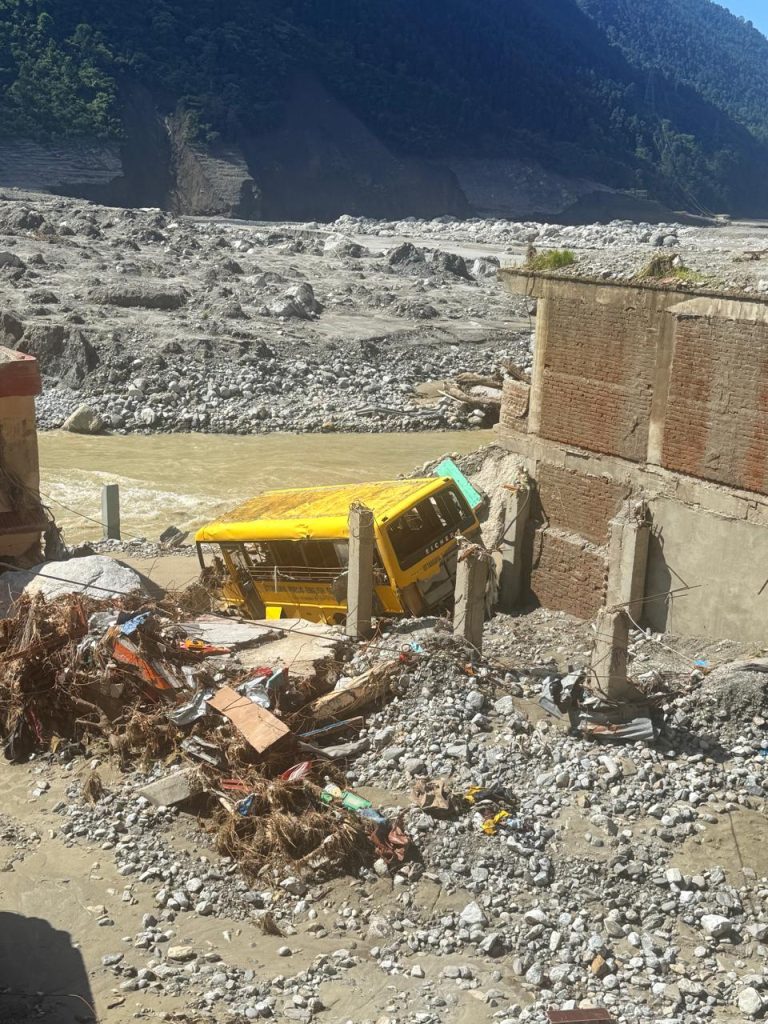
However, the numbers contain a difficulty the report acknowledges but cannot resolve. Recovery needs exceed assessed damage and losses by more than USD 2 billion, largely because they include disaster risk reduction and resilience measures. The DRR line alone is USD 625 million with no corresponding damage figure attached, and the RDNA itself instructs that such allocations be treated as planning provisions until specified. Furthermore, early recovery for the first six months is costed at only USD 57.66 million against a long-term requirement of USD 4.72 billion.
Therefore the assessment is a starting point rather than a plan. Its value at COP31 in Antalya will be as evidence, and the case it makes is Nepal’s strongest in years.