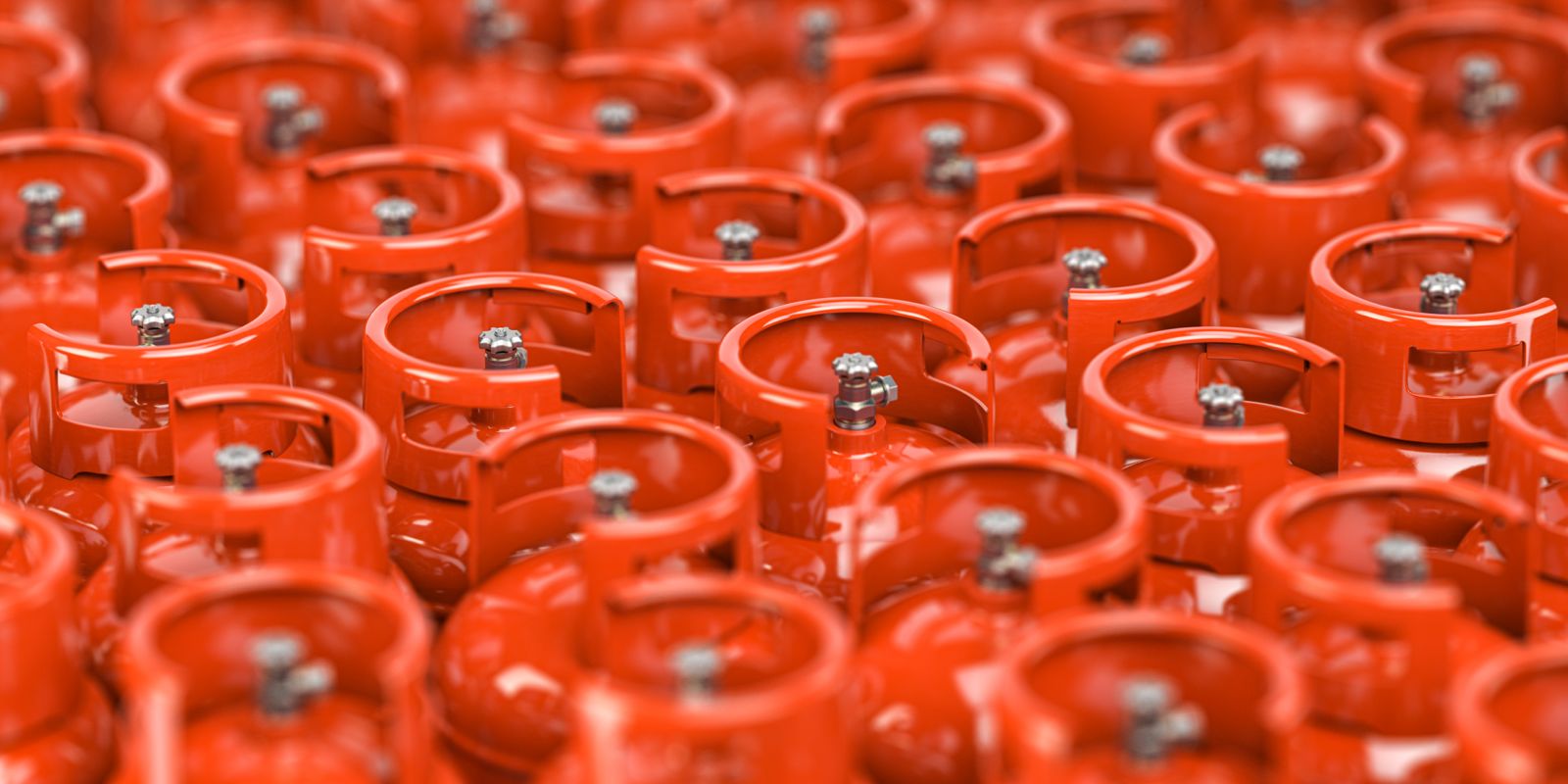
Nepal has spent most of 2026 queuing for cooking gas. Supply was disrupted when the war on Iran began in February, the Nepal Oil Corporation rationed half-filled cylinders for months, and when full cylinders returned in July the pent-up demand produced fresh shortages within a fortnight. Import volumes, meanwhile, held steady. The country brought in 411,081 tonnes of LPG worth NPR 41.64 billion in the first ten months of the last fiscal year, and monthly demand sits around 45,000 tonnes. Therefore the crisis was never really about gas. It was about a single supply route, thin storage and a distribution system that cannot absorb a shock.
Three options exist, and they operate on different timescales.
First, storage and routing. Nepal holds very few days of LPG reserve and receives almost all of it by bullet tanker from India. Expanding bottling and storage capacity, and progressing the proposed LPG pipeline, would not reduce dependence but would absorb disruption. This is the only option that helps within two or three years.
Second, electric cooking. Nepal generates its own electricity, over 95 percent of households are connected, and trials by PEEDA found households saving 30 to 60 percent on daily energy costs after switching from LPG. The government’s own NDC targets 1.7 million households cooking primarily with electricity by 2030. However, fewer than one percent do so today, and the binding constraint is distribution quality rather than generation. Overloaded transformers and low voltages defeat induction stoves.
Third, biogas and improved stoves remain the practical route for rural households distant from a reliable grid.
Furthermore, each rupee spent on LPG leaves the country while each rupee spent on electricity does not. That argument was always true. This year made it visible.