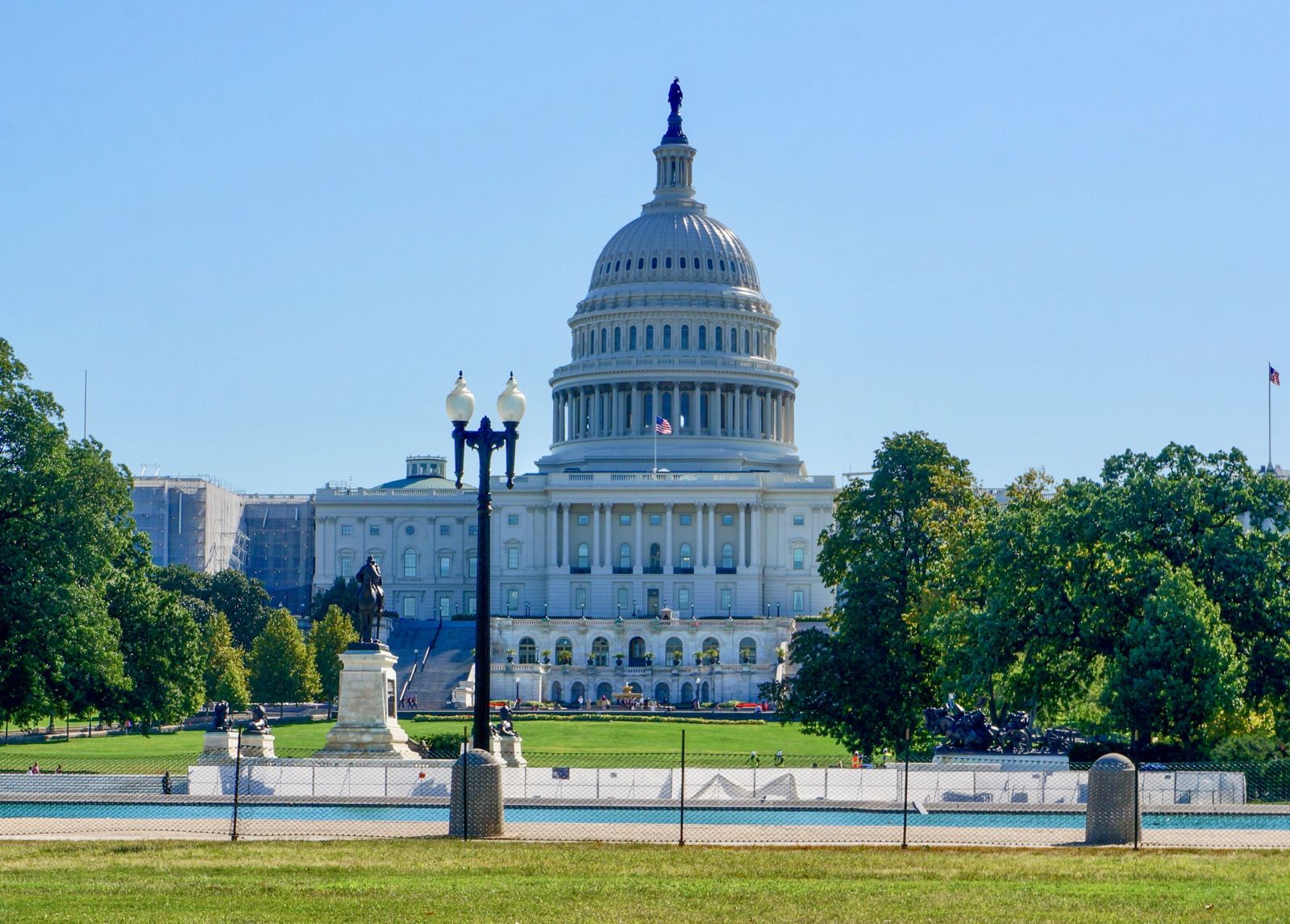
Americans vote on 3 November, and a new Congress takes office in January. For Nepal this is an opening rather than a risk. Foreign policy direction stays with the President, but Congress writes appropriations, sets oversight priorities and refreshes the committee membership that determines which small countries receive attention. A relationship dormant in one Congress can be rebuilt in the next.
Nepal starts from a stronger base than is generally acknowledged. The $500 million Millennium Challenge Corporation compact, with a further $50 million added last November, survived the 2025 aid freeze and is delivering transmission lines and road works. Roughly 350,000 Nepalis live in the United States. Nepal ranks tenth in the world as a source of international students. Nepali soldiers serve in UN peacekeeping missions that Washington helps fund. These ties were built over seventy years and do not depend on who controls either chamber.
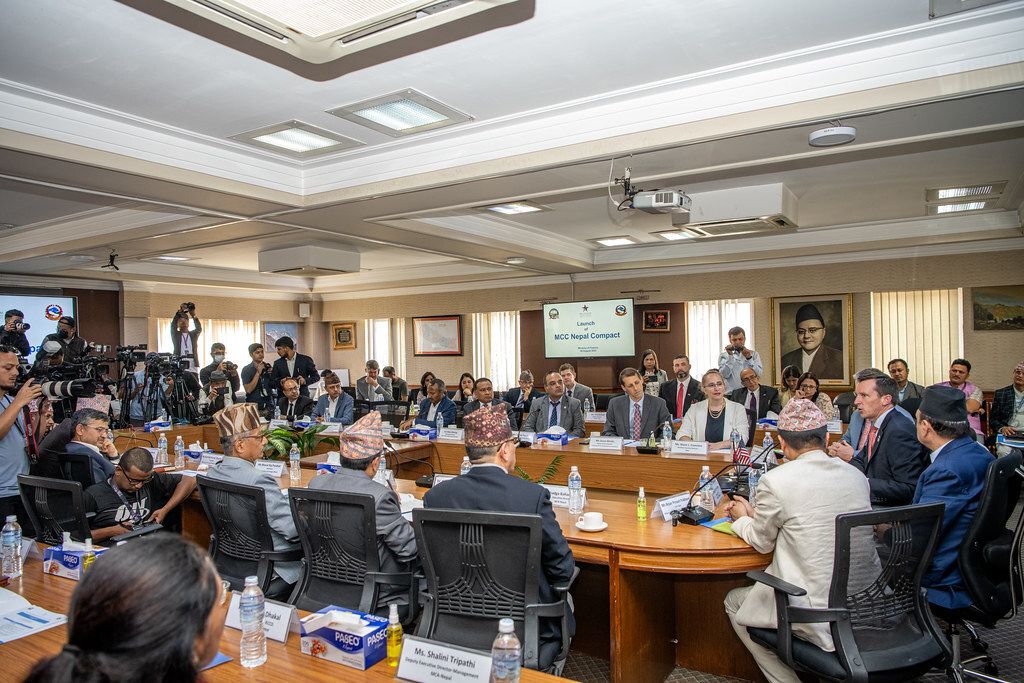
The task is to make them visible at the right moment. First, Nepal should approach the new Congress early, before priorities harden, with an account of what the compact has delivered rather than a request for something new. Second, the Non-Resident Nepali community and the student population are constituencies in their own right and remain underused as advocates. Third, Nepal’s request to defer LDC graduation to 2029, pending final confirmation by the General Assembly, should be presented honestly, as a transition being managed rather than a milestone avoided, with the compact positioned as part of how that transition succeeds.
Nepal will continue to disagree with American positions at the Security Council. That is normal between friends of unequal size, and it is not a reason to leave a working partnership unattended.