
Nepal has sought a deferral of its LDC graduation to November 2029, pending final confirmation by the General Assembly. The immediate relief is real. Duty-free access to the European market continues, and the International Labour Organization’s estimate of 132,000 jobs and close to a billion dollars at risk within five years of graduation is no longer an immediate prospect.
However, the deferral solves nothing by itself. Nepal first met the graduation criteria in 2015 and has now postponed three times. Each extension has removed the pressure that reform required, and the Committee for Development Policy has already signalled that its patience is not unlimited. The question is whether 2026 to 2029 is used differently from 2015 to 2021.
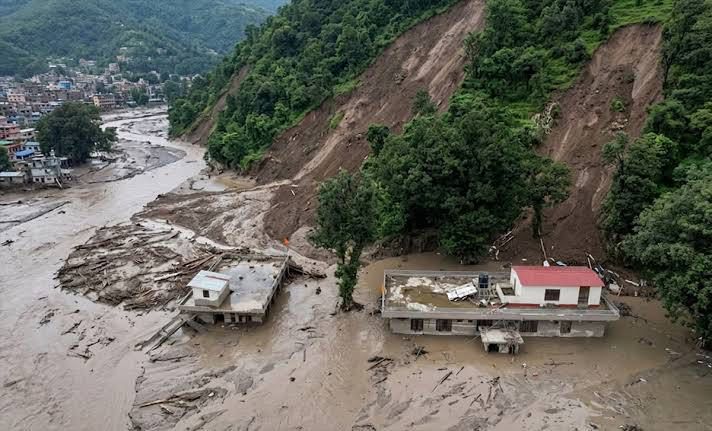
Europe should be the focus of that work, for three reasons. First, the European Union is Nepal’s most important preference-granting market after India, and GSP+ eligibility is achievable within three years if the twenty-seven required conventions are implemented and documented rather than merely ratified. Second, European climate finance is one of the few external funding streams still expanding, and Nepal’s case following the Bhotekoshi flood is strong and evidenced. Third, Europe’s own politics are shifting, with far-right parties in government or holding the balance in several member states, which makes the current Commission and Parliament a better negotiating environment than the one likely to follow.
Furthermore, relationships take longer to build than preferences take to lapse. The delegations, member-state embassies and research institutions Nepal will need in 2029 are the ones worth cultivating now. The extension is an opportunity. It becomes a trap only if treated as a rest.